A New Home for Forest Byproducts Opens in the Sierra
A second biomass facility in Tuolumne County has begun turning forest byproducts into bagged wood pellets, closing out a major watershed resilience program in the Sierra.
American River Canyon Alliance
Anyone who has walked a fire-scarred slope in the American River canyons knows the hard question that follows thinning and cleanup. Where does all that woody material go? A new answer is taking shape upstream in the Sierra.
The Sierra Nevada Conservancy reports that Tuolumne BioEnergy has opened in Sonora, California. It is the second facility of its kind in the county. The first, Tuolumne Biomass in Jamestown, opened in October 2024.
The new plant began operating in January 2026. At full operation it is expected to produce roughly 30,000 tons of bagged wood pellets each year. That is a real market for material that too often ends up burned in piles or left to fuel the next wildfire.
The opening also marks a milestone. According to the Conservancy, the facility wraps up the Community and Watershed Resilience Program, an effort backed by a $70.4 million federal grant.
Why does this matter here? Forests and rivers share a watershed. When crews can remove hazardous fuels and send the byproduct somewhere useful, thinning projects pencil out more often. Healthier forests mean cleaner runoff and steadier flows into the streams we care about.
We are watching this closely. The tools that make forest work pay for itself are the same tools that protect the canyons downstream. Read the full account from the Sierra Nevada Conservancy at the link above.
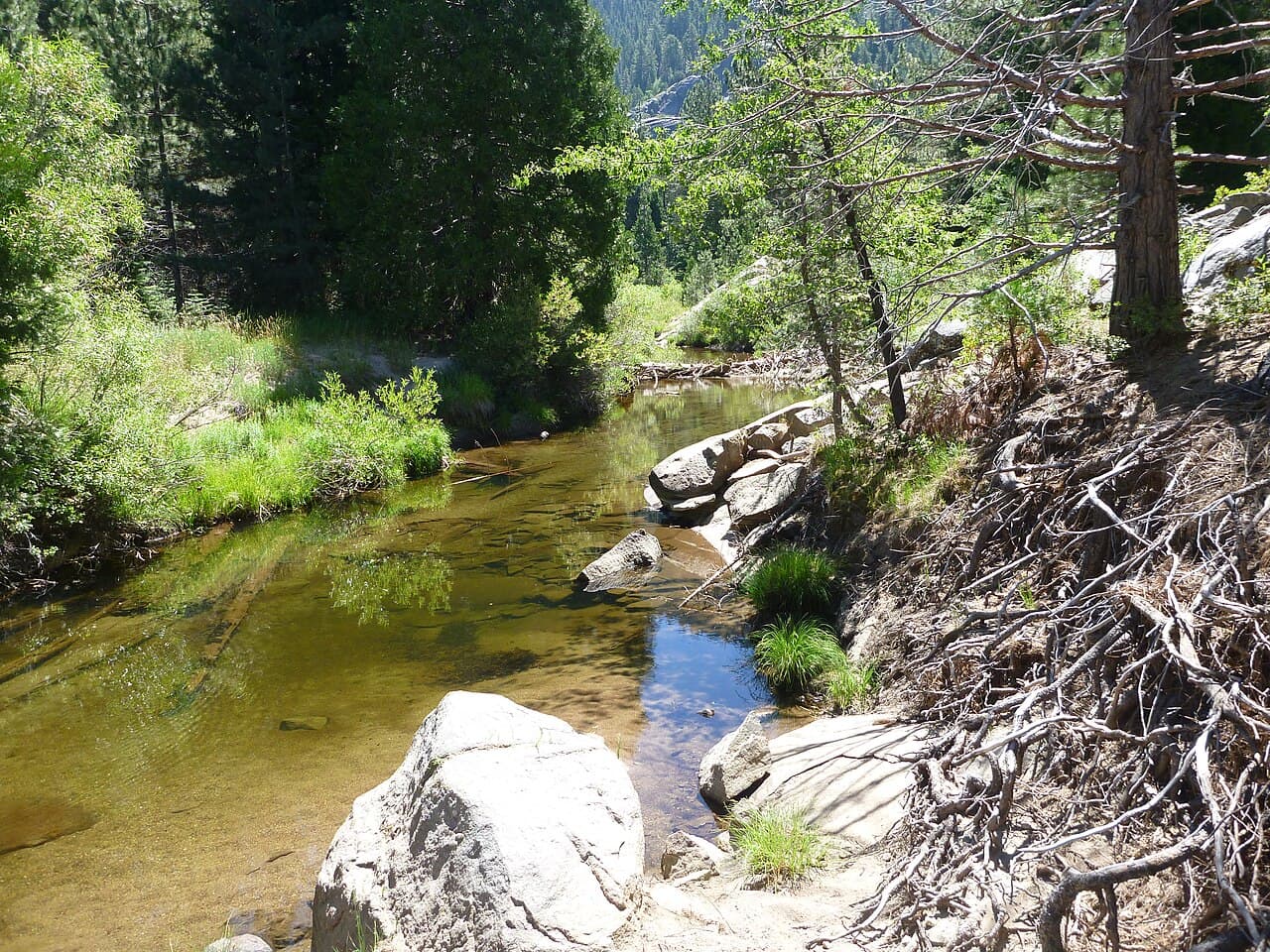
Cover photo: Jonathan Muhiudeen, CC BY-SA 3.0, via Wikimedia Commons.