Where Mining Law Meets the River: California Holds the Line on Suction Dredging
California's moratorium on motorized suction dredge mining still stands, backed by a state Supreme Court ruling and a 2015 law requiring miners to secure Clean Water Act permits. Our neighbors at NFARA have been tracking the fight.
American River Canyon Alliance
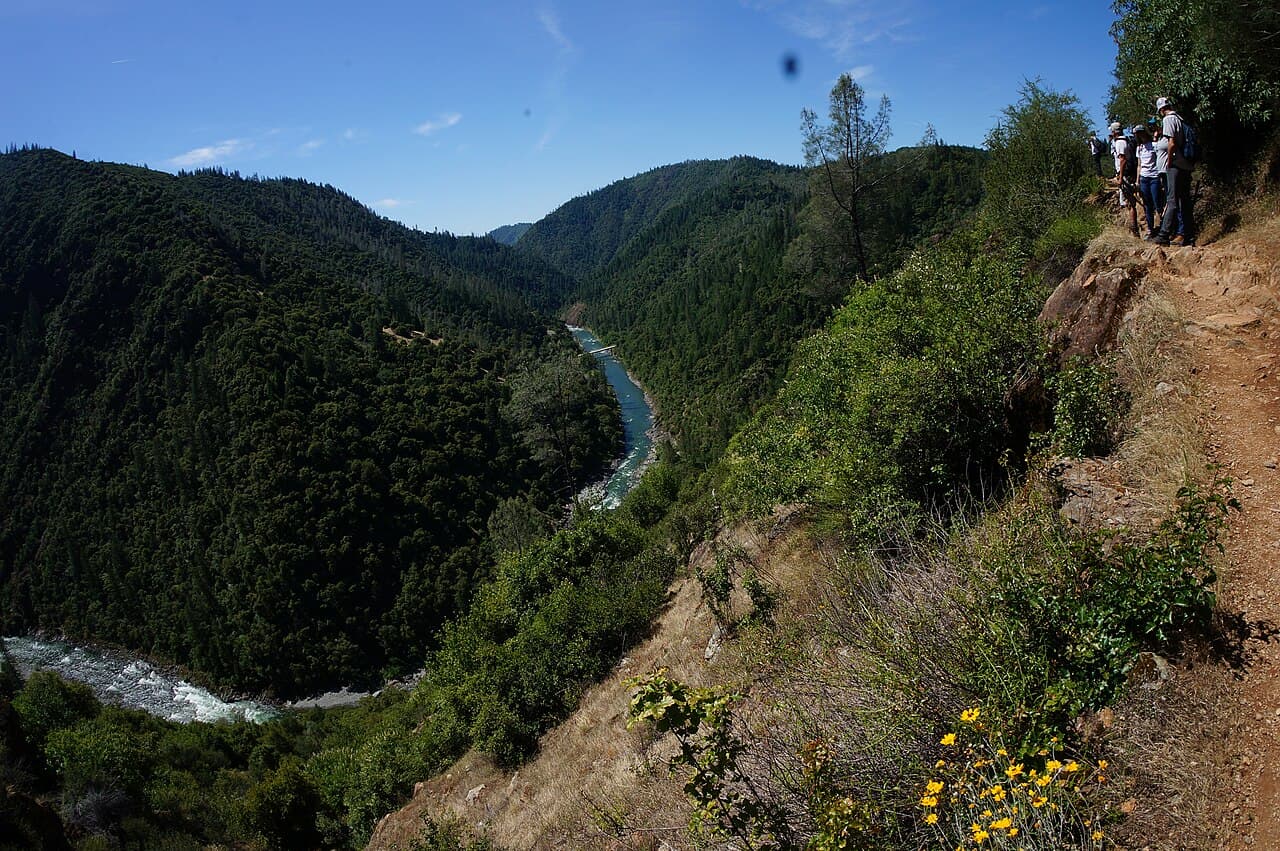
Anyone who has waded into the North Fork knows how quickly a riverbed can be disturbed. That is why water quality rules around suction dredge mining matter to everyone who loves these canyons.
The North Fork American River Alliance reports on the ongoing legal fight over small-scale mining in California streams. The facts are worth understanding.
In 2015, California passed SB 637. The law requires small-scale miners who use motorized suction pumps to obtain a Clean Water Act permit from the State Water Board. On top of that, a statewide moratorium on suction dredge mining has remained in effect while the state works out new regulations.
Miners challenged the rules. They argued that federal mining law should override the state's restrictions. In 2016, the California Supreme Court disagreed. The court ruled that the moratorium was not preempted by federal law. The state's authority to protect its own waters held firm.
For the American River canyons, this is a meaningful line in the sand. Motorized suction dredging stirs up sediment and disturbs the streambed. Keeping that activity in check helps protect water quality for fish, wildlife, and the people downstream.
We are grateful to NFARA for following this issue closely. Neighboring groups watching the same river system make all of us stronger. Read their full update for more on their hikes and conservation work.