A Sharp Challenge to Folsom Dam's Paleoflood Estimates
Chuck Watson's 2016 review takes on the stream power and geomorphic methods behind Folsom Dam's flood hazard numbers, and argues they do not hold up.
American River Canyon Alliance
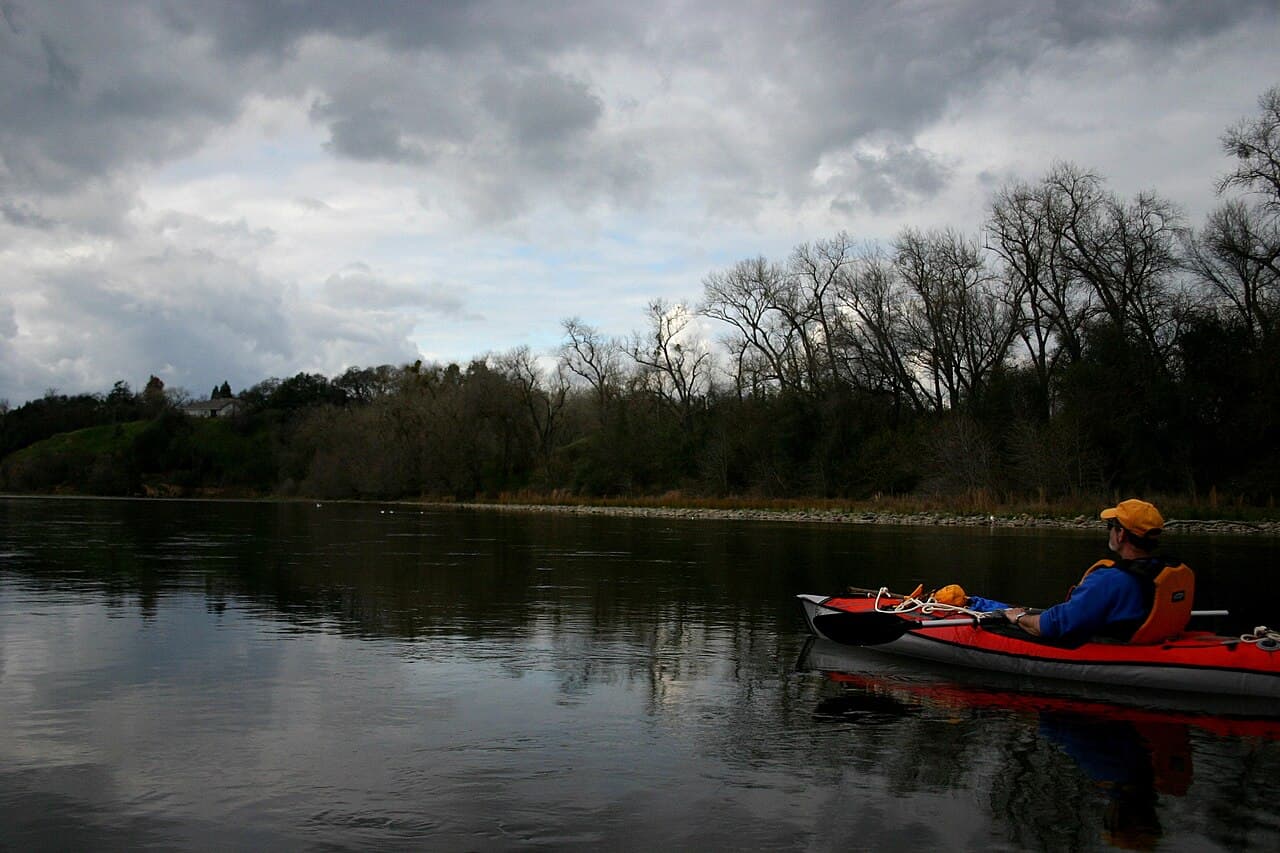
Flood numbers built on shaky methods can steer real decisions about dams, levees, and lives. That is the stakes behind Chuck Watson's 2016 review of paleoflood work on the lower American River.
As documented by the American River Watershed Institute, Watson's report is a direct critique of the US Bureau of Reclamation's 2002 Flood Hazard Analysis for Folsom Dam. That analysis estimated how often extreme floods strike here, reaching down to 1-in-1,000 and 1-in-10,000 annual probability events. To get there it reconstructed ancient floods from the landscape itself, going back further than any gauge record.
Watson targets two pillars of that reconstruction. First, the "stream power" concepts the Bureau used to estimate the occurrence, magnitude, and age of prehistoric floods. Second, its reading of the river's geomorphology and how it built flood evidence from that terrain.
His conclusion is not a quibble. The review raises significant scientific questions about the validity of the conclusions the Bureau reached. In plain terms, Watson argues the methods do not support the flood frequencies they produced.
This matters because those estimates feed the probabilistic hydrographs used to size flood defenses and set risk for everyone downstream. If the inputs are wrong, so is the design margin.
Read the full report at arwi.us/american-river-flood-events and judge the science for yourself.