The Case for Legal Cannabis as Watershed Protection
A new UC Berkeley study points to an unexpected ally in the fight for clean water: licensed cannabis farms. Where legal cultivation takes hold, unlicensed grows fall away.
American River Canyon Alliance
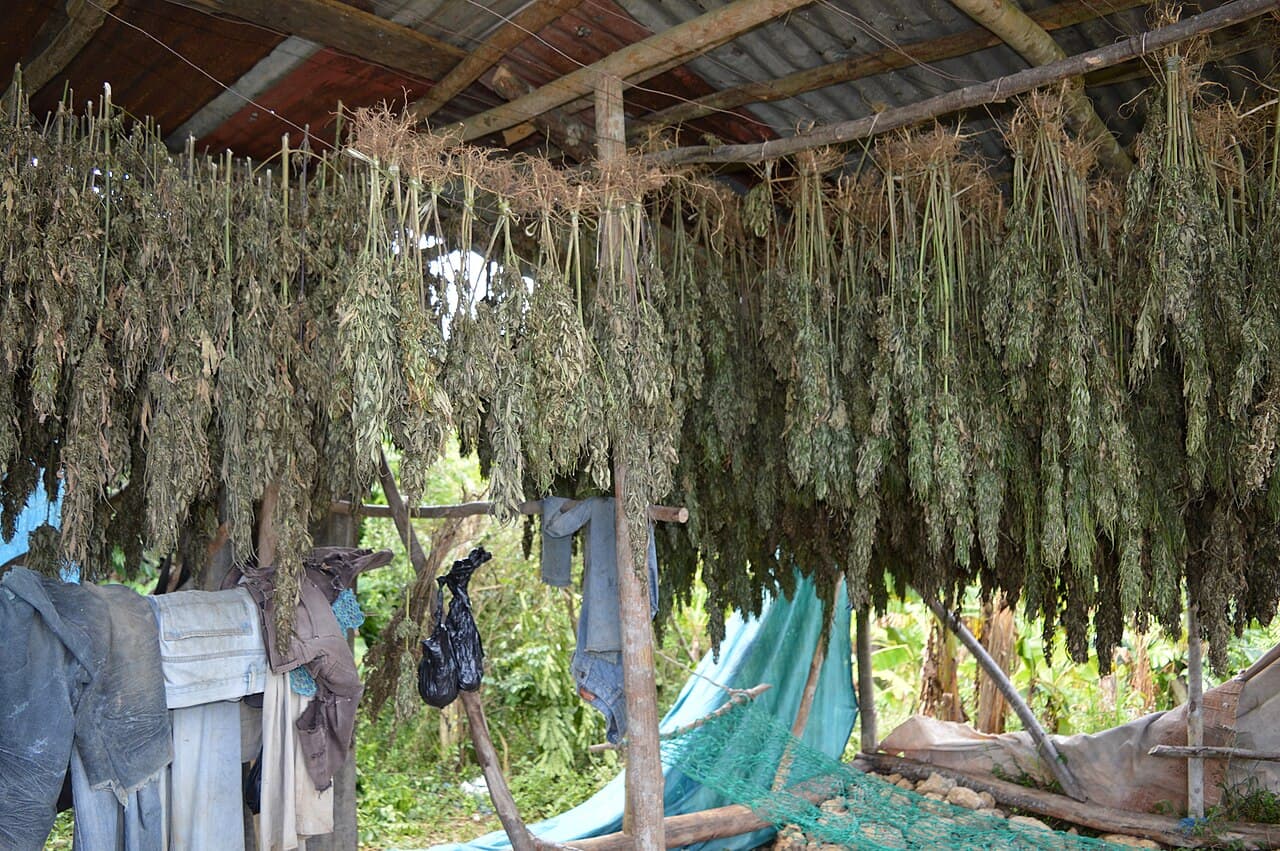
Protecting a watershed means paying attention to what happens on the land around it. Runoff, diversions, and unpermitted activity upstream all reach the water eventually. A new piece of research suggests one tool for that work may be counterintuitive.
In 2025, UC Berkeley's Cannabis Research Center released a study titled "Mapping & Assessing Unlicensed Cannabis Cultivation," covering California. The finding that stands out: the presence of licensed cannabis farms was the strongest and most consistent predictor of reductions in unlicensed cultivation. Where legal, permitted farms operate, unregulated grows tend to recede. Nevada County was one of the county-level case studies.
The South Yuba River Citizens League (SYRCL) reports that licensed cultivation can serve as a key tool for protecting watersheds. You can read their coverage of the study here.
Why does this matter to us in the American River canyons? Unlicensed grows often sit outside the reach of water regulations. They can draw down streams and skip the safeguards that permitted operations must follow. If legal cultivation crowds out the unregulated kind, the downstream benefit shows up in the water itself.
The research is a reminder that watershed health depends on policy as much as on cleanup days. Smart licensing frameworks are part of how a river stays healthy. We will keep watching how these findings shape the conversation across the Sierra foothills.
Cover photo: Cannabis Pictures, CC BY 2.0, via Wikimedia Commons.