French Meadows: The Restoration Project Protecting Our Headwaters
The French Meadows Ecological Forest Restoration Project is thinning and reburning 28,000 acres above the Middle Fork American River. Here is who is doing it, what it costs, and what it has delivered so far.
American River Canyon Alliance
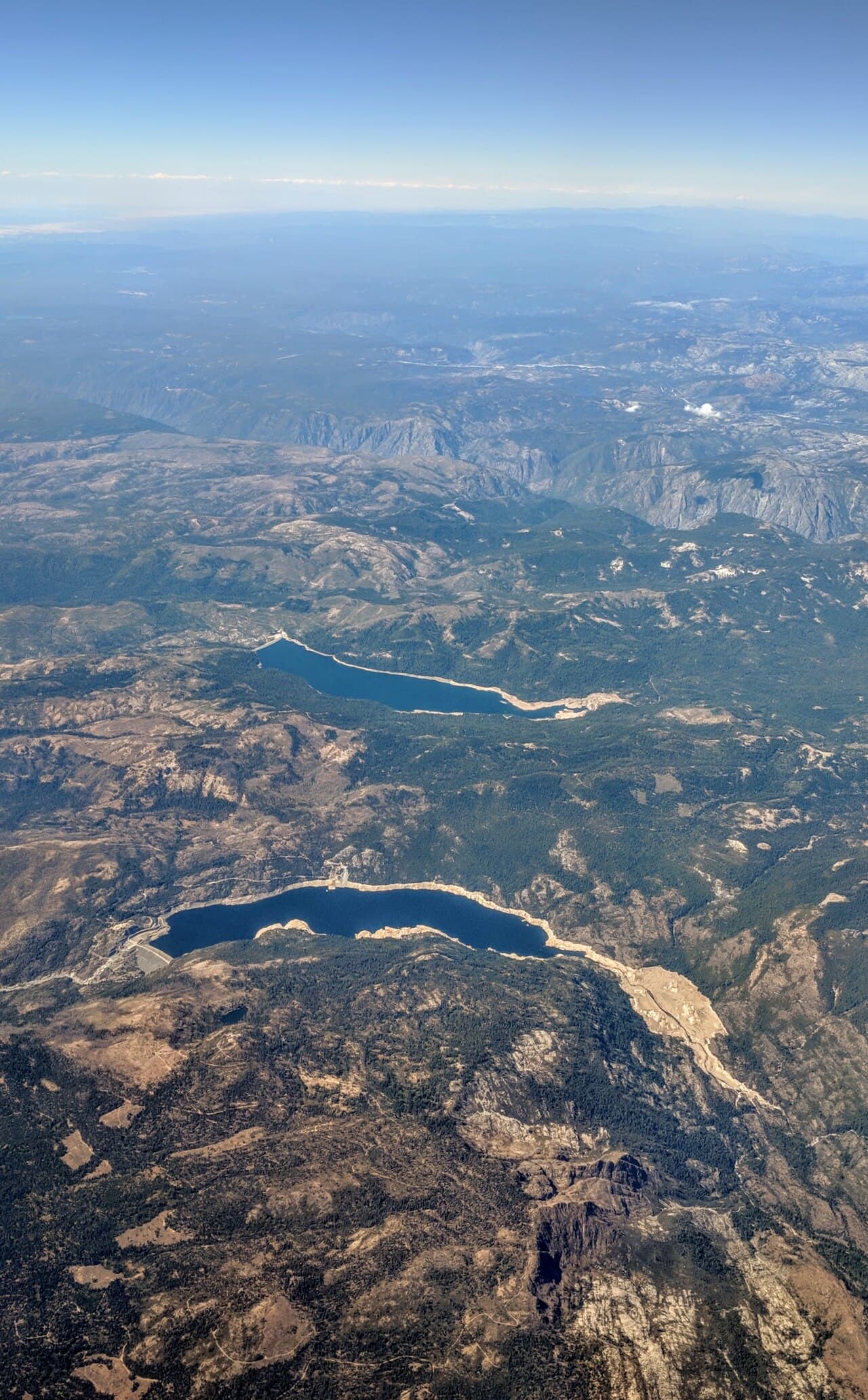
The forests above the Middle Fork American River are the front line for our watershed. The French Meadows Ecological Forest Restoration Project is treating them at scale: roughly 22,000 acres of Tahoe National Forest land and about 6,000 acres of adjacent private land, all upstream of French Meadows Reservoir.
The project runs on a shared-stewardship model. Placer County and Placer County Water Agency partner with the US Forest Service (Tahoe National Forest), The Nature Conservancy, the Sierra Nevada Conservancy, the American River Conservancy, and UC Merced's Sierra Nevada Research Institute. That structure lets local agencies plan and fund work on federal land instead of waiting on it.
The work is physical. Crews mechanically thin overcrowded stands, then return prescribed and managed fire to the ground. They also rebuild meadows and streams that store water and slow runoff.
The results are concrete. The project has restored 174 acres of mountain meadow, repaired 220 stream crossings, built seven miles of trail, and completed restoration across 3,347 acres of private land. As of the 2025 season it was about 55 percent complete.
Money is the recurring pressure. In August 2025, Placer County put roughly $1.6 million from a Nature Conservancy grant, drawn from private sources and CAL FIRE funding, toward finishing the work, with completion targeted for the end of the 2025 season.
Placer County publishes annual operations summaries tracking acres treated each year. The payoff downstream is cleaner water, longer snow retention, and a canyon far less likely to face catastrophic fire.
Cover photo: Dicklyon, CC BY-SA 4.0, via Wikimedia Commons.